Fashion and lifestyle trends for women are evolving under the influence of concerns that go beyond mere appearance. Comfort, accessory safety, and material durability: modern women no longer choose clothing or everyday items based solely on aesthetic criteria. Understanding how these trade-offs are structured allows us to identify what truly distinguishes current trends from fleeting fashion fads.
Balancing image, comfort, and safety: what women’s daily choices reveal
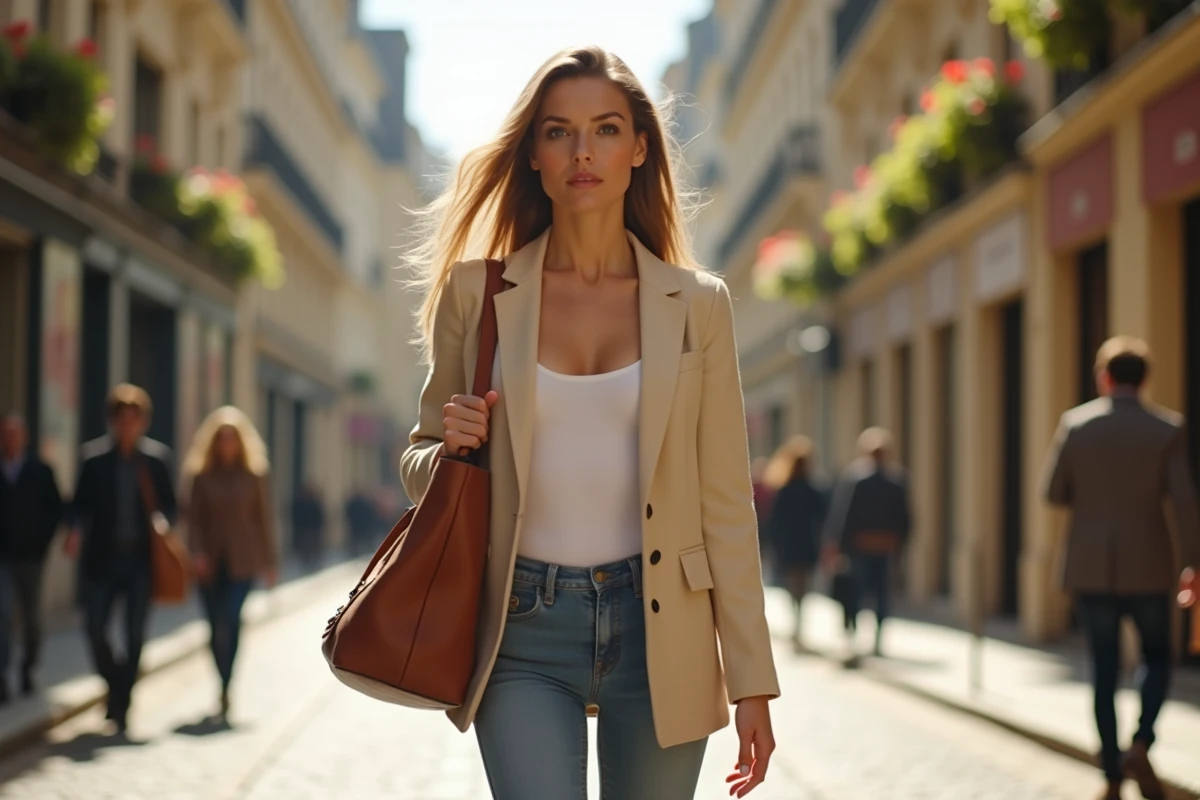
The question of style is no longer posed in opposition to comfort. Loose cuts, stretch materials, and flat soles dominate wardrobes, even in professional contexts. The oversized look, worn with a palette of earth or pastel colors, illustrates this convergence: it structures an outfit without constraining the body.
Safety is also making its way into everyday accessories. Slim wallets incorporating RFID blocking are gaining ground, driven by a concrete expectation for personal data protection. This type of item shows that the modern woman refuses to sacrifice functionality for the sake of aesthetics.
The elegance of women over 60 confirms this trend from another angle. Their approach is described from a behavioral perspective rather than purely a clothing one: body ease and respect for others matter as much as the choice of clothing. Comfort is not a renunciation of style; it becomes a component of it.
To explore these topics in depth, you can discover the Fimina Mag website, which regularly addresses these lifestyle themes.

Sustainable denim and aesthetic style: two women’s fashion trends to compare
Two movements coexist in current women’s fashion without overlapping. Their purchasing logic and relationship to the body differ. The table below compares their characteristics.
| Criterion | Sustainable Denim | Aesthetic Style |
|---|---|---|
| Origin | Eco-responsible textile sector | Tumblr then TikTok culture |
| Relationship to the body | Diverse cuts, comfort prioritized | Search for visual harmony, crafted silhouette |
| Durability | Less polluting washing processes, valued materials | Rapid turnover of pop and vintage references |
| Main audience | All generations | Young and connected women |
| Accepted concession | Higher price for a durable piece | Time spent curating the look |
Sustainable denim is part of an investment logic: buying fewer pieces, but better produced. Eco-responsible finishes and low environmental impact washing processes meet a growing demand for transparency in manufacturing.
Aesthetic style, on the other hand, operates on an openly mixed blend of subcultural, vintage, and pop references. It requires more effort in composition than in material budget. The concession lies in the time spent assembling a coherent look, not necessarily in the unit price of the clothing.
What these two trends share
In both cases, clothing choices reflect a claimed identity. The woman wearing sustainable denim displays environmental awareness. The one adopting an aesthetic style asserts a personal visual universe. Neither follows a trend dictated by a brand passively.
Accessories and wardrobe: the real concessions in the name of style
The common belief that women systematically sacrifice comfort for appearance does not hold up against the observation of current trends. The trade-offs are more nuanced.
- Flat shoes and minimalist sneakers replace high heels in most everyday outfits, including for semi-formal occasions
- Utility accessories (wallets with RFID protection, bags with functional compartments) are chosen as much for their look as for their practicality
- Clothing with adjustable cuts (elastic waistbands, drawstrings) allows for adapting the silhouette without constraint, where rigid cuts are declining
The main concession now concerns price, not comfort. Willingness to pay more for a durable piece or a secure accessory constitutes the real compromise. Modern women invest in versatile pieces rather than in a high volume of disposable clothing.
Colors and cuts that structure a functional look
Neutral palettes (beige, khaki, off-white) dominate because they facilitate combinations between pieces. Fewer bright colors in the basic wardrobe means fewer unusable outfits and more possible combinations.
Straight and slightly oversized cuts are favored over fitted cuts for practical reasons: they suit more body types and contexts. The same wide pants worn with sneakers in the morning can work with a structured jacket in the evening.

Women’s fashion and textile innovation: what is changing concretely
Innovation in women’s textiles is not limited to recycled fibers. It also affects finishes and surface treatments. Denim illustrates this movement: eco-responsible washing processes reduce water and chemical consumption while maintaining the desired visual appearance.
This evolution alters the relationship to the durability of a garment. A well-produced piece lasts several seasons without losing its shape or color. The cost per use decreases, even if the initial purchase price increases.
The textile company that communicates about its manufacturing processes meets a documented expectation. Women who buy sustainable denim want to know how the jeans were produced, not just what they look like in photos.
The clothing choices of modern women reflect a growing refusal to separate style and functionality. The garment becomes an object to be evaluated on multiple simultaneous criteria: appearance, comfort, durability, safety of associated accessories. Brands that understand this offer pieces designed to last and adapt, rather than to impress for just one season.