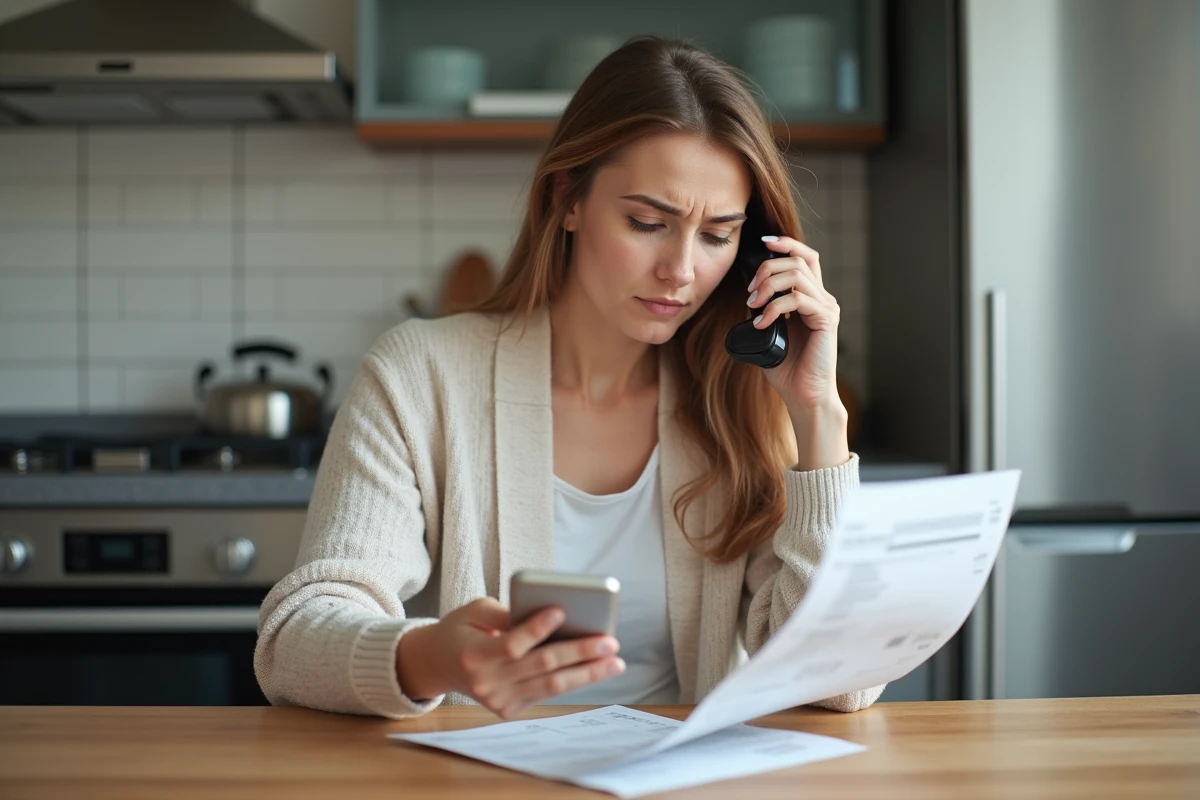
A number that starts with 0891 is not just a minor detail on your phone bill. In just a few minutes, a call to this series can significantly increase the amount to pay, well beyond what the displayed rate next to the number suggests. Far from being trivial, every second spent online, especially during the wait, can add to the bill, and clarity on the final cost is not always guaranteed.
The rules governing the pricing of these calls vary depending on the operator and the specific nature of the service obtained, complicating matters for the user. Some administrative procedures even require the use of these numbers, making their use sometimes unavoidable. In this already complex landscape, fraudulent services slip in under the guise of legal prefixes, further blurring the line between legitimate service and outright scam.
Special numbers in France: what are the differences between free, normal pricing, and premium rates?
In France, special numbers are classified into three distinct categories. First, there are free numbers, such as 0800 or 0805. Here, the caller pays nothing, neither to pick up nor to stay on the line, regardless of whether they are calling from a landline or a mobile. These numbers are regularly used for emergencies, social support, or public health campaigns, with a goal of total accessibility.
Next come the normal rate numbers, typically those starting from 0806 to 0809. The call is then charged as a local communication, without any extra cost for the service contacted. For the subscriber, the usual pricing of their plan applies, nothing more. These numbers are commonly used by businesses or administrations that wish to remain accessible without imposing hidden fees on their contacts.
Finally, the premium rate numbers, among which is the famous 0891, combine two costs: the price of a regular call, plus a specific surcharge paid to the contacted service. This “service” portion, set by the electronic communications regulatory authority, depends on the nature of the service: technical assistance, information, contests, games, value-added services… To get a precise idea, check the rates for 0891 premium numbers: free service does not exist, and the principle of surcharge is the rule.
Since the new regulation from ARCEP, each operator must now clearly display the price of a call to a special number: in advertisements, contracts, and even at the beginning of the call. This measure aims to better inform and protect the user, often lost among tariffs and asterisks. However, it is best to remain vigilant: between access fees, surcharges, and disparities between mainland and overseas territories, caution is still required. The fine print never really disappears.
0891, 0800, 0806… Understanding the pricing grid of the main prefixes
The distinction between paid numbers and free numbers is not intuitive, as the pricing grid is nuanced. Each prefix follows its own logic, established by law. Green numbers, those starting with 0800, guarantee total free service: no call charges, no surprises, whether calling from a landline or a mobile. These are the numbers chosen by public services and large companies keen to open their lines to as many people as possible.
At the other end of the spectrum, 0891 belongs to the category of premium rate numbers. A call to this premium rate phone number combines two elements: the price of a regular local call, and an additional charge, billed by the minute or per call, depending on the service contacted. This surcharge varies according to the type of service and the location of the caller, whether they are in mainland France or in an overseas community. The price of a call to an 0891 number must be displayed clearly, but the final amount also depends on the telephone contract subscribed and the operator. Beware of hidden fees that can accumulate.
Between these two extremes, the normal rate numbers, 0806, 0807, 0809, are billed as local calls. These business or administration numbers allow you to reach a service without risking any unpleasant extra charges. The key is this clear classification: free, local rate, or premium rate, it’s up to each individual to navigate it to avoid unpleasant surprises.
Scams and traps: how to spot and avoid premium rate numbers?
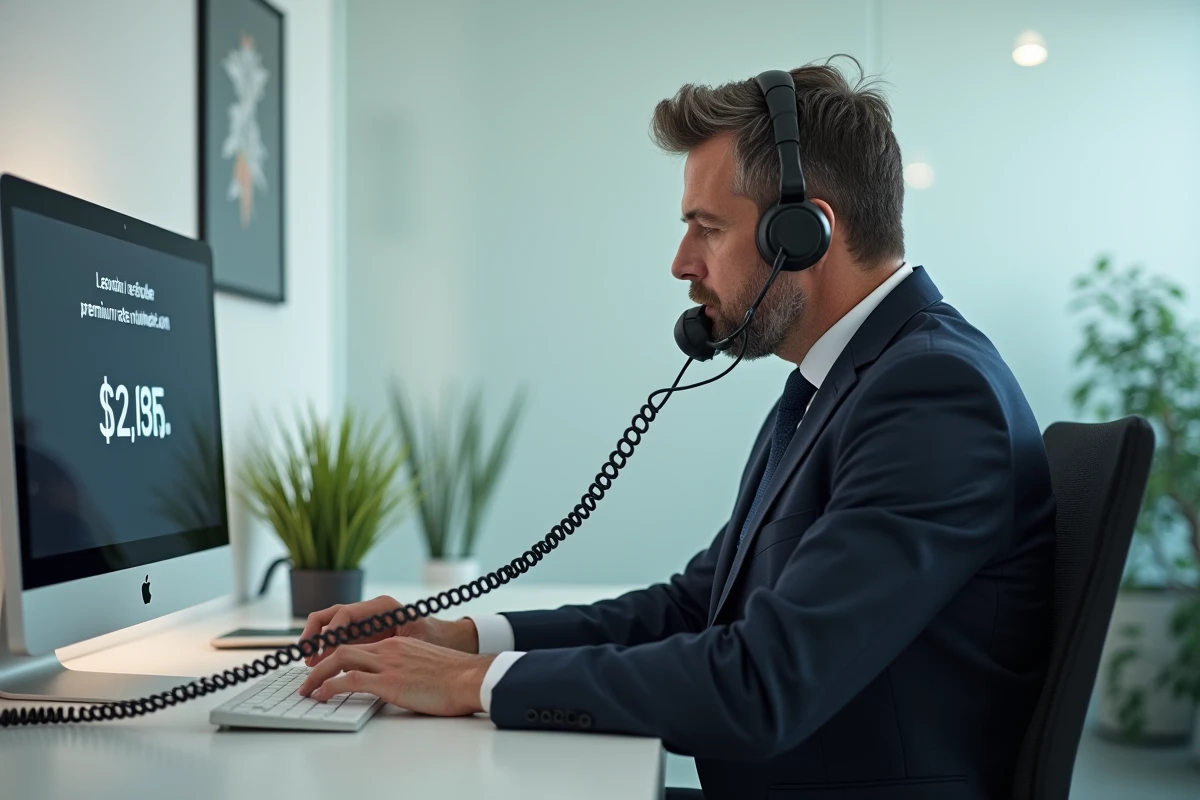
Scams via premium rate numbers have continued to multiply, taking advantage of confusion, massive telemarketing, and sometimes complex regulations. Calls to 0891 or 0899, for example, often hide behind messages promising a gain, an emergency, or a false administrative procedure, leading the user into minutes charged at a high price.
The first precaution is to check the prefix of the number. A 0891, 0892, or any code starting with 08 except 0800 generally indicates a paid service. The free numbers are limited to 0800 and 0805. Confusion arises when alarming voicemail messages urge you to call back an unknown number, playing on urgency or fear.
To limit risks, a few simple reflexes can make a difference:
- Always check the displayed rate before calling, especially if it is a commercial service or an administrative procedure.
- If in doubt, search for the number on the official website of the concerned company or administration.
- Ignore any call or message urging you to quickly call back an unknown number, especially one starting with 089.
The law now requires the clear announcement of the cost of a premium rate call within the first few seconds. Numbers charged at the local call rate limit unpleasant surprises. Systematically prefer them to contact customer service or obtain technical assistance: your bill will benefit, and traps will be easier to avoid.
In the face of the pricing jungle, the phone remains a useful tool, but sometimes a trap. Staying informed, checking the prefix, and resisting the pressure of suspicious calls: this is the assurance of keeping control over your bill, without succumbing to confusion or disguised overcharges.