
Raw data: on the Twingo 3, the reserve light does not signal an immediate disaster. It indicates a margin, not a sentence. Official figures suggest between 50 and 80 kilometers of leeway once the alert is triggered.
But not everything is set in stone in the manufacturer’s manual. The reality lies in the details. A heavy foot on the accelerator, a forgotten fuel filter, or a Twingo loaded like a moving truck can eat into that reserve. Ignoring this signal is not just flirting with running out of fuel: it also risks damaging the mechanics, particularly the fuel pump, which does not appreciate running dry.
The reserve of the Twingo 3: what is the real distance before running out of fuel?
When the fuel reserve light comes on in the Twingo 3, there is still some leeway, but it’s not wise to play with fire. Renault estimates a reserve of about 5 to 6 liters. Under normal conditions, whether in the city or on the road, this represents 50 to 80 kilometers to squeeze out before stopping.
However, the equation varies depending on the terrain, the weight carried, or the condition of the fuel filter. On the highway, consumption remains stable at a steady speed, but the tension rises as the needle approaches zero. In the city, repeated stops eat into the Renault Twingo reserve autonomy faster than on open roads.
The reserve autonomy of the Twingo 3 is not summed up by a universal rule. Experienced drivers know: there is a small margin, but it’s better not to test it. The reserve is not a promise, just a reprieve to reach the nearest pump. To protect the mechanics and avoid running out of fuel, it’s best to refuel as soon as the light comes on.
Practical tips on the fuel reserve autonomy of the Renault Twingo 3:
| Type of route | Estimated autonomy (km) |
|---|---|
| Road/Highway | 60 to 80 |
| City | 50 to 60 |
For those who want to dig deeper, search for reserve autonomy of the Twingo 3: the dedicated page ‘Reserve autonomy Renault Twingo 3: maximum distance and tips – Automotech’ offers figures and field feedback.
What factors affect remaining autonomy on the road?
The reserve autonomy of a Renault Twingo 3 is never fixed. Several factors come into play and affect the remaining distance when the light comes on. First, the driving style: accelerating hard, braking suddenly, or driving fast on the highway all consume fuel and reduce available kilometers.
Another point to monitor: the weight of the vehicle. The heavier the Twingo is loaded, the more it consumes, and the reserve diminishes rapidly. Sorting through the trunk, removing unnecessary items, every kilo saved translates to a few more kilometers.
Regular maintenance also plays a role. A dirty fuel filter, worn spark plugs, or infrequent oil changes increase consumption. Even tire pressure matters: under-inflated tires increase resistance and reduce autonomy.
Here are the actions to remember to preserve every remaining kilometer:
- Adjust your speed: drive at a steady pace, avoid unnecessary accelerations.
- Check tire pressure: well-inflated tires mean less loss of autonomy.
- Lighten the vehicle: less weight means more distance with the reserve.
- Maintain the mechanics: a well-maintained engine consumes less, and the reserve lasts longer.
These parameters really impact the remaining autonomy: sometimes, the difference in distance can be surprising. The Twingo 3, like many others, reminds us that every detail, from driving style to maintenance, shapes the precious kilometer capital after the alert signal.
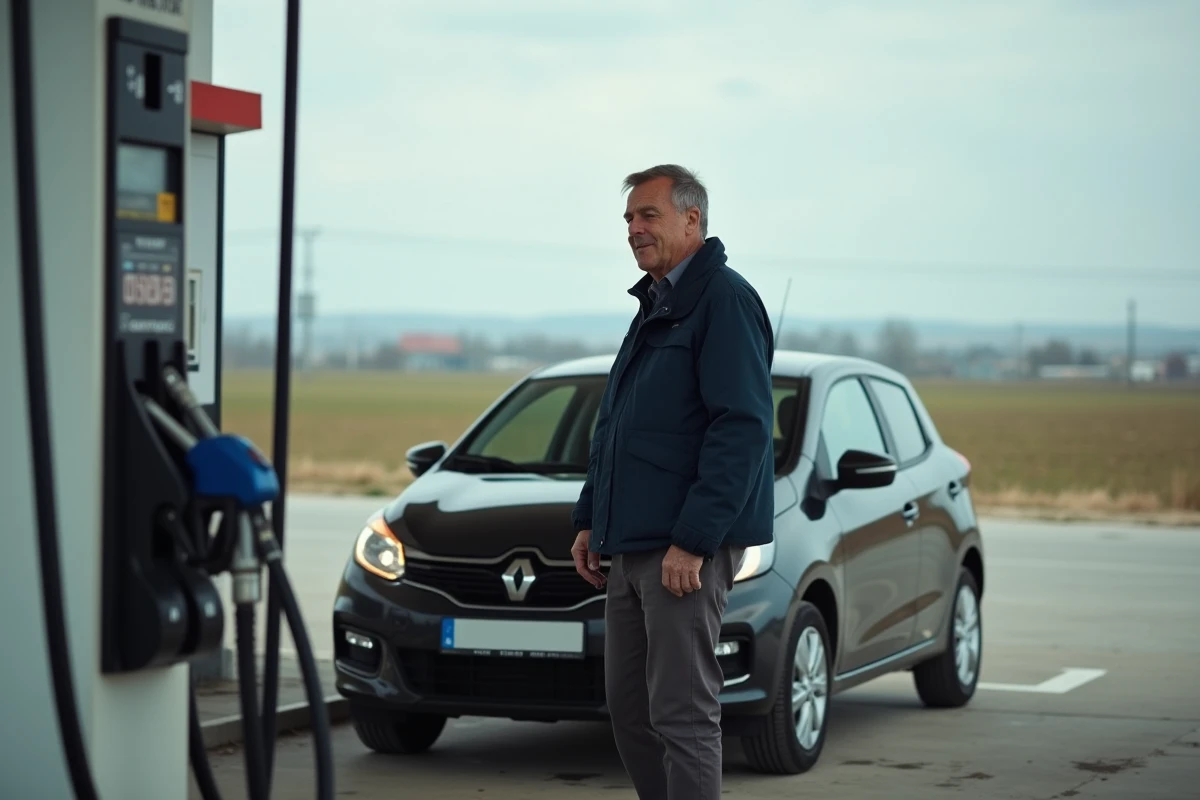
Managing the reserve calmly: practical tips to avoid unpleasant surprises
The reserve light on in the Twingo 3 is not a cause for panic. Experience, user feedback, and manuals confirm: there is often between 50 and 70 kilometers with the reserve, depending on usage and the condition of the car. Stay alert, but there’s no need to succumb to anxiety.
Some reflexes help navigate this moment without stress. As soon as the light activates, locate the gas stations on your route. GPS systems quickly display nearby pumps, which limits the risk of running out of fuel. Also, keep an eye on your phone’s battery, useful for checking a map or calling for help if needed.
Here are some concrete measures to optimize the remaining kilometers:
- Ease off the accelerator: reducing speed helps save the last liters.
- Turn off the air conditioning or heating, which demand power from the engine and draw from the fuel reserve.
- Adopt smooth driving, anticipate braking, and avoid sudden accelerations.
Prioritize road safety: avoid stopping on a fast lane or a risky road. If running out of fuel is imminent, find a safe place off the road. A clean fuel filter and regular maintenance limit surprises. On the Twingo 3, managing the reserve autonomy relies as much on anticipation as on knowing your car. Ultimately, each light that comes on tells a different story, and it’s up to each driver to finish it without a hitch.