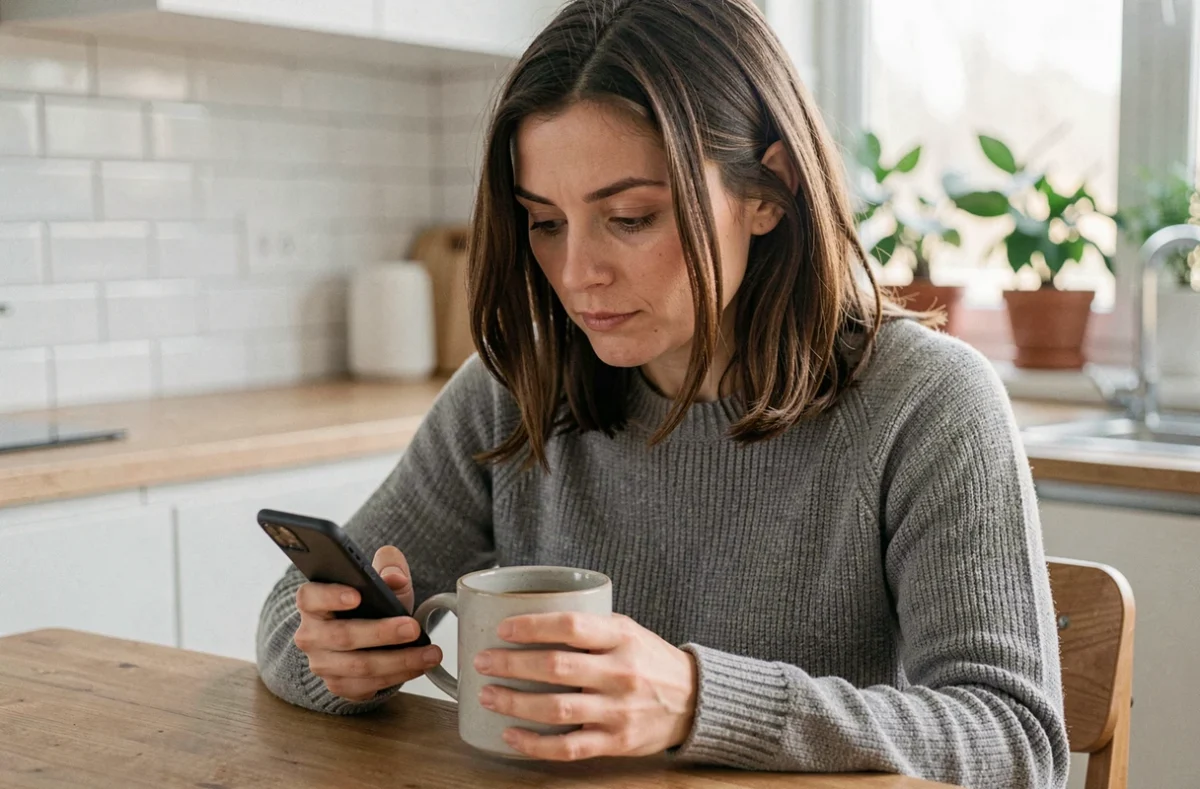
Every morning, dozens of headlines scroll across a screen before the first cup of coffee. Between push notifications, social media feeds and AI-generated summaries, getting the day’s news has never been faster. The problem is no longer finding information, but knowing which stories deserve your attention—and, above all, which ones you can trust.
Fact-checking news encountered on social media and through AI
Have you ever read a news summary from a chatbot or seen a viral post boil a complex situation down to three sentences? This is becoming increasingly common. The Reuters Institute’s Generative AI and News Report 2026 describes a rise in the use of AI to get news between 2024 and 2026. People use it to ask follow-up questions or summarize articles.
The problem is that these summaries don’t guarantee that the information is reliable. A summary can be fluent and well written, yet still rely on an outdated or misinterpreted source. The habit to adopt: always trace the information back to the journalistic source cited by the tool.
On social media, a longitudinal ethnographic study of Australian users found that even people who avoid the media still encounter news through comments, memes and online discussions. This content is easy to access, but it doesn’t replace journalistic fact-checking.
In practice, when a post or AI response tells you something new, ask yourself two questions. Who produced the original information? And can you identify the source by its newsroom, editorial policy and named journalists? If not, treat the information as a starting point, not an established fact.
To make this a regular habit, checking Infos du Jour’s online news regularly can help you cross-check what you come across in your social feeds against structured editorial coverage.
Daily news routine: build your own filter
The goal isn’t to read everything. It’s to read better, with a plan. An effective news routine comes down to three simple choices: when, for how long and where.
Set a regular time to read the news
Checking the news at a set time reduces the temptation to doomscroll (endlessly scrolling through bad news). Ten to fifteen minutes in the morning is enough to catch up on the day’s main stories. An optional second check in the evening lets you catch up if a major event has taken place.
Limit the number of news sources
Using more apps and opening more tabs can create the illusion of being better informed. In practice, three or four carefully chosen sources are more than enough to cover national and international news. Here’s how to choose them:
- A reputable general-interest outlet known for its editorial standards, whether in written, audio or video format
- An outlet specializing in a subject that matters to you (economics, technology, the environment, sports)
- A daily newsletter that sums up the day’s news in just a few minutes
- A recognizable content creator, provided you check that they cite their sources and distinguish commentary from reporting
The Reuters Institute reports that content creators are a news source for a significant portion of the public, particularly younger people. Comparing their content with that of established media outlets helps you distinguish personal accounts, opinions and verified information.
Content creators and traditional media: how to use both
A video creator covering the news on YouTube or TikTok doesn’t face the same constraints as a newsroom. They may be insightful, informative and quick. They may also oversimplify or leave out details that don’t suit their audience.
Creators complement the media; they don’t replace it. Make a habit of cross-checking: if a creator tells you something new, look it up in an outlet that follows fact-checking standards. If you find it there with additional details, it becomes more credible. If you can’t find it anywhere else, be cautious.
This cross-checking takes just a few seconds. It turns a passive consumer into an active reader.

Media pluralism in Europe: what’s changed since 2025
Staying informed depends on more than your personal habits. The environment in which news is produced matters too. The European Media Freedom Act came into effect across the European Union in August 2025. The regulation aims to strengthen media independence and pluralism across Europe.
Why is this worth knowing? Because the quality of your news routine partly depends on the safeguards surrounding the production of information. A media outlet subject to political or economic pressure won’t provide the same coverage as one protected by a clear legal framework.
As a reader, you can check whether an outlet discloses its ownership structure, funding sources and editorial charter. These details, now encouraged by the European regulation, are concrete indicators of reliability.
News fatigue: recognize the signs and adjust
In the countries studied by the Reuters Institute in 2026, a significant proportion of the public said they sometimes or often avoid the news.
Stepping away from the news completely can bring relief, but it doesn’t last. We need to know what’s happening to vote, work and take part in conversations. The solution is to choose formats with a clear endpoint: a newsletter you can read in five minutes, a ten-minute podcast or a daily briefing instead of an endless feed.
- Turn off push notifications from news apps so you can choose when to read the news
- Choose short, structured formats (briefings, morning summaries, daily editions)
- Take one day a week off from checking the news to reduce mental strain
A well-balanced news routine doesn’t require more time or effort. It takes an initial bit of sorting, a few reliable sources and the habit of checking before you share. That’s the one habit that consistently distinguishes an informed reader from an overwhelmed one.