
Receiving a letter or phone call from the local authority about a report concerning your child often triggers a mix of fear and confusion. The social services assessment that follows a child welfare concern is governed by a specific framework, designed to assess the child’s situation, not to punish the parents. Understanding this framework can make the process less stressful.
Multidisciplinary assessment following a report: what the legal framework provides
When the local authority receives a child welfare concern, it does not immediately initiate legal proceedings. It begins an assessment. This assessment is carried out by a multidisciplinary team of trained professionals (social workers, psychologists, childcare nurses), guided by the national framework for assessing situations involving danger or risk of danger.
One point many families are unaware of: the assessment is not limited to the child named in the report. The circumstances of all minors living in the home are examined. If a brother or sister lives under the same roof, professionals also assess their living conditions.
In practice, the assessment takes place over several weeks. It may include home visits, interviews with the parents (together and then separately), and discussions with the school or family doctor. Professionals seek to understand the overall context, not simply to identify evidence against the family. To better understand the stages of a social services assessment following a report, it is helpful to distinguish this assessment phase from any subsequent proceedings before a judge.
Informing parents and their right to know: what the law requires of the local authority
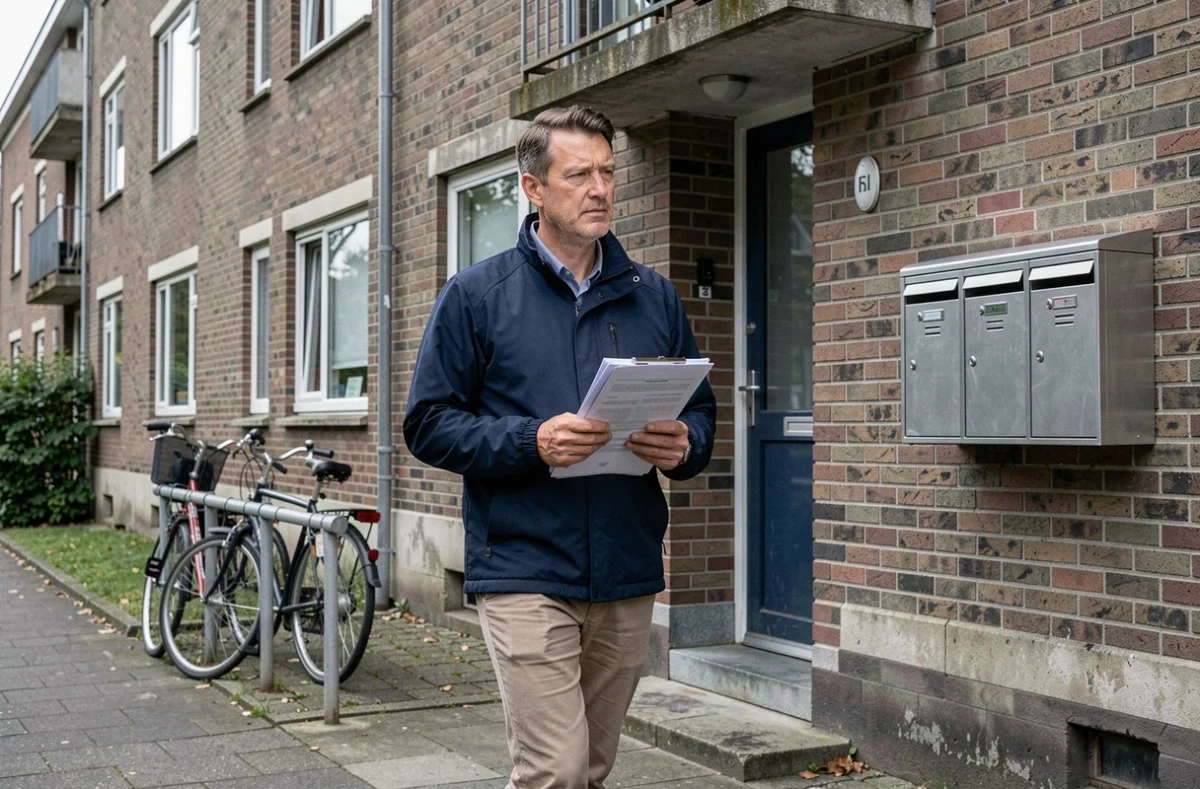
The father, mother or legal guardian must be informed that the child welfare concern has been referred, in a manner appropriate to the circumstances. This advance notice is withheld only in one specific case: when informing them would be contrary to the child’s best interests (for example, if notifying a parent could increase the danger).
If, following the assessment, the local authority decides to refer the matter to the judicial authorities, the parents must be informed in writing. This requirement is set out in law. In practice, some families learn that the matter has been referred to a judge without having received clear prior notification.
When the local authority remains silent
Have you heard nothing for several weeks after the first contact? This silence does not mean the case has been closed. The professionals who submitted the report must receive feedback within three months. Individuals (such as a neighbour or family member) who made a report may also ask to be informed of the outcome, subject to the child’s best interests and professional confidentiality.
For parents, the appropriate course of action is different. If they have not been informed, they can send a registered letter to the local authority’s child protection service to ask about the status of the process and what action has been taken. This creates a written record, which may be useful if the family later wishes to challenge a lack of transparency.
Reports and placement: why one does not necessarily lead to the other
The most common fear among parents is that their child will be placed in care. A report does not automatically lead to a child being removed from their home. Following the assessment, several outcomes are possible:
- The local authority closes the case if no danger or risk of danger is identified. The family is no longer contacted.
- The local authority offers support or an administrative protection measure (educational support at home, follow-up by a social worker, referral to a specialist service). These measures require the parents’ consent.
- The local authority refers the matter to the courts if the danger is serious and immediate, if previous support has not been sufficient, or if it proves impossible to carry out the assessment (for example, because access to the home is refused).
A child can only be placed in care by order of a children’s judge, following a hearing at which the parents are heard and may be represented by a lawyer. The vast majority of child welfare concerns do not result in a child being removed from their home.
Challenging the local authority’s assessment without confusing it with a legal appeal

What can a family do if it believes the assessment was not properly conducted? An interview that was too brief, a report containing factual errors, or a refusal to consider a relative’s testimony: these situations do occur.
The first step is to request access to the assessment report in writing. Parents can ask the child welfare service to provide them with the document. This right of access is not absolute (some passages may be redacted to protect a third party), but it allows them to check what information was taken into account.
The family can then send a letter challenging the report to the head of the service or the local authority’s ombudsman. The letter should set out the specific points considered inaccurate and include supporting documents (medical certificates, statements, follow-up records).
What not to confuse
Challenging how the assessment was conducted is not the same as appealing a decision by a children’s judge. The assessment is carried out by the local authority. A decision on placement or a court-ordered measure is made by the court. The two procedures have separate avenues of appeal:
- For an administrative assessment: write to the head of the service, contact the local authority’s ombudsman, or refer the matter to the Defender of Rights if there is no response.
- For a court decision: appeal to the Court of Appeal within the statutory time limits, with the assistance of a lawyer.
- In the event of serious misconduct during the assessment (failure to respect the right to be heard, or failure to inform the parents): refer the matter to the Defender of Rights, which can investigate how the service operates.
Taking administrative action does not suspend ongoing court proceedings. The two steps can be taken in parallel, but they do not have the same effects.
Keeping a record of every interaction (letters, emails, visit reports) remains the most important safeguard for a family facing a social services assessment. These documents form the basis of any challenge, whatever route the family chooses.