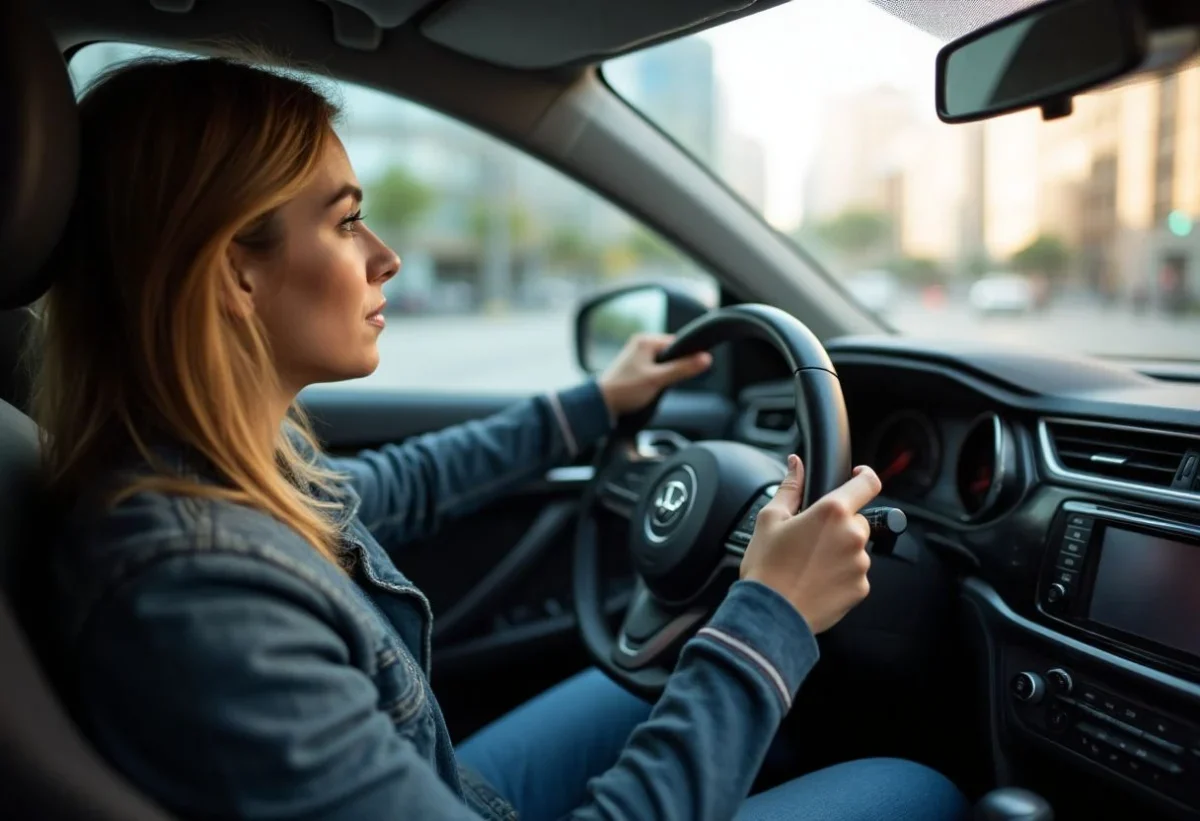
Car insurance is not just a legal formality, but an essential component that ensures financial security and peace of mind while driving. In France, where the roads are shared by millions of vehicles, understanding the subtleties of auto insurance is fundamental for any responsible driver. Choosing the right insurance policy is not a task to be taken lightly. Insurance companies offer a wide range of options that, although complex, are designed to meet the diverse needs of motorists. As laws evolve and technology advances, the role of auto insurance continues to transform, influencing both costs and services offered to policyholders. In this context, it becomes imperative to grasp the various aspects surrounding this contract, which goes well beyond legal obligation.
Why is car insurance essential?
The importance of auto insurance is not limited solely to compliance with current regulations. It also serves to guarantee financial protection against unforeseen events on the road.
In the event of an accident, theft, or damage to your vehicle, car insurance acts as a safety net that allows you to cope with unexpected expenses. Without this coverage, the cost of repairs or compensation can quickly become prohibitive.
Moreover, liability coverage, included in any standard insurance policy, protects against third-party claims in the event of damage caused during an accident. This liability coverage is often considered the backbone of any auto insurance policy, as it ensures that victims of an accident for which you are responsible are compensated. This mechanism helps protect your personal assets while ensuring that the rights of victims are respected.
The different types of car insurance coverage
Car insurance policies come in several types of coverage, each addressing specific needs. Choosing the right combination of guarantees is crucial for optimal protection.
- Third-party coverage: this is the minimum form of car insurance required by law. It covers liability, compensating third parties for material and bodily damage caused.
- Intermediate coverage: also known as “extended third-party,” it offers additional guarantees such as theft, fire, natural disasters, and sometimes even glass breakage.
- Comprehensive coverage: this is the most complete protection. It includes all the previous guarantees, adding coverage for damage to the insured’s vehicle, even in the case of a responsible accident.
How to choose the best car insurance policy?
Choosing the best car insurance policy requires a thorough analysis of several factors to ensure that you obtain coverage that perfectly matches your specific needs.
Start by assessing your driver profile. A young driver or a driver with a history of accidents may have different needs compared to an experienced driver with a clean record. Insurers take into account age, experience, and driving history to assess risk and determine premiums.
- Analyze the specific characteristics of your vehicle: new or high-value cars often require more extensive coverage, while older vehicles may suffice with third-party or intermediate coverage.
- Consider how you use your vehicle: professional use or frequent long-distance trips may influence the type of coverage recommended.
- Compare offers: Use insurance comparison tools to find the best deals and do not hesitate to negotiate with insurers for discounts or additional benefits.
Current trends in the car insurance industry
The car insurance sector is constantly evolving, influenced by factors such as technology, economic trends, and regulatory changes.
Digitalization plays an increasing role in how insurers interact with customers. Mobile apps and online platforms enhance the customer experience by streamlining administrative processes, from underwriting to claims management.
The emergence of autonomous vehicles and electric cars is also redefining insurance needs. Insurers must adjust their pricing models and offerings to account for the different risk profiles associated with these new technologies.
Finally, environmental concerns are pushing insurers to encourage more eco-friendly driving practices. Some insurance companies offer discounts for using low-emission vehicles or reward programs for drivers adopting eco-responsible driving behaviors.
By better understanding the ins and outs of car insurance, drivers can make more informed decisions to ensure their safety, that of passengers, and other road users.