At 65, statistically, the majority of French people still feel fit. However, the transition to retirement, far from being a simple change of pace, often acts as a revealing factor. The behaviors adopted between the ages of 60 and 70 strongly influence quality of life at 80. According to several longitudinal studies, maintaining active lifestyle habits at this age reduces the risk of functional decline by nearly 30% a decade later. Yet, the persistence of chronic stress after retirement remains underestimated and multiplies the risks of cardiovascular diseases.
Some choices, even seemingly innocuous ones, increase psychological and physical vulnerability. Conversely, a few targeted adjustments can sustainably preserve well-being and autonomy, thus limiting the consequences of aging on morale.
Understanding the influence of life choices after 60 on future well-being
Aging is not just a fate or a genetic lottery. Gerontology distinguishes several trajectories of aging: pathological, normal, or successful. What makes the difference are the daily decisions. From the age of sixty, every choice matters. An active lifestyle, a varied diet, mental engagement, and above all, social involvement, form the foundation of a long and fulfilling life.
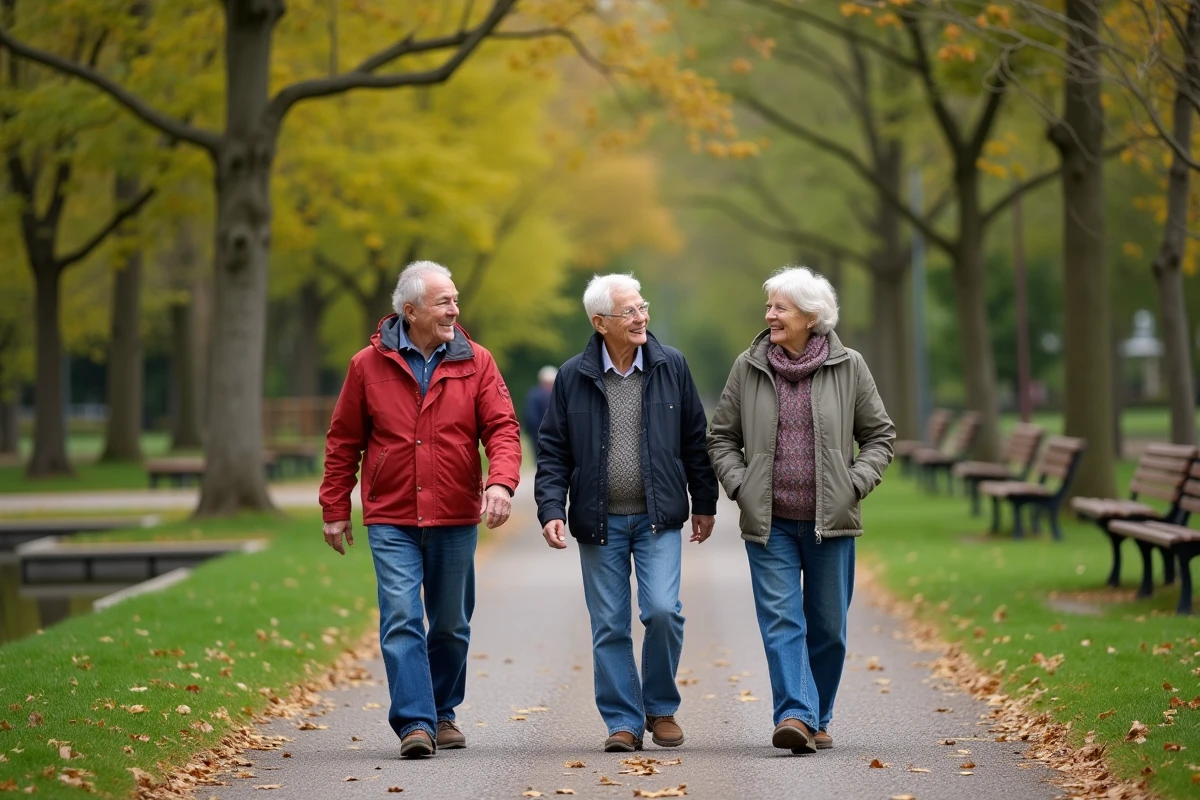
Staying connected to others, maintaining relationships, and multiplying moments of sharing: this is what strengthens mental health. Opportunities abound—family, friends, associations. These exchanges create a sense of usefulness, nurture autonomy, and protect against withdrawal. Studies are clear: social engagement slows down depression and protects against feelings of isolation, especially after 70.
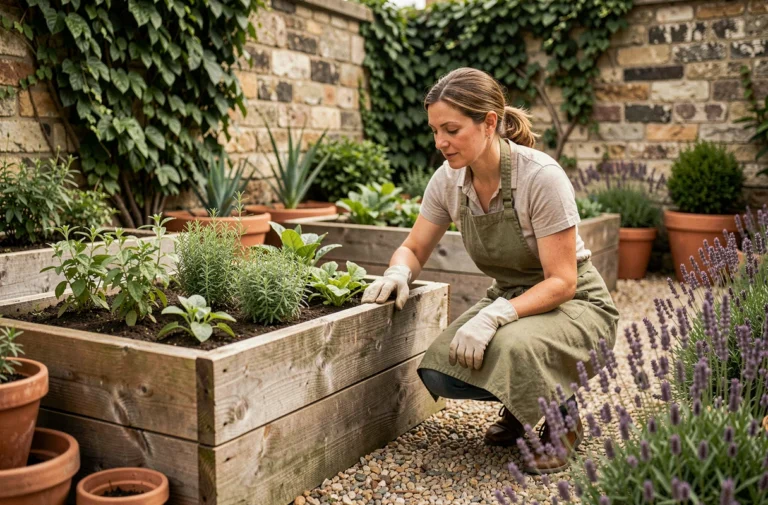
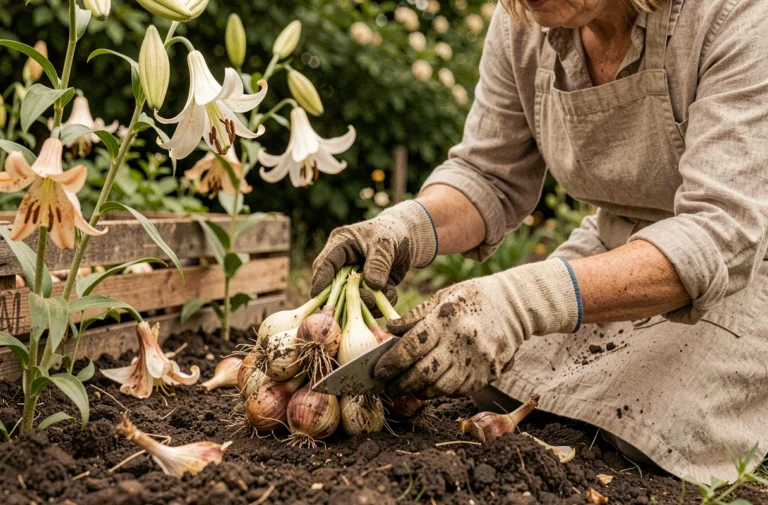
The other pillar is the stimulation of the mind and body. Moving, learning, gardening, walking, varying activities: all these actions maintain vitality. Curiosity and creativity, far from being luxuries, are valuable allies against decline. For those who want to go further, Valbreon’s advice offers insights to preserve physical and mental health while keeping the joy of living intact.
What behaviors promote a strong morale and sustainable quality of life?
Building unshakeable morale after 60 requires concrete habits accessible to all. Movement, first and foremost. Studies show it: regular physical activity prolongs life and protects the heart. Even 15 minutes of walking, a bit of gardening or dancing is enough to make a difference.
Next, the social fabric. Being surrounded, seeing loved ones, participating in leisure activities or volunteer work: these interactions prevent loneliness and boost mood. Collective workshops, moments of sharing knowledge, infuse new energy.
On the food front, diversity remains the best ally. Eating a varied diet, prioritizing fruits, vegetables, and proteins from all sources, choosing fresh foods: all this supports both body and mind. And don’t forget water, which helps the brain function and limits mood fluctuations.
Finally, mindset influences every day. Maintaining gratitude, staying open to new experiences, cultivating curiosity and creativity: these attitudes foster a sense of inner youth. Music, nature, or even meditation are resources to stay on course and keep smiling.
Here are the key areas to focus on to sustainably strengthen morale and quality of life:
- Physical activity: 15 minutes of walking per day = +2 years of life expectancy
- Varied diet: fruits, vegetables, proteins
- Social connections: family, friends, community engagement
- Curiosity and creativity: continuous learning, hobbies, music
Chronic stress, isolation, habits to reconsider: how to take concrete action to remain fulfilled at 80
Chronic stress acts as a silent poison. It wears down the body, weakens defenses, undermines morale, and accelerates aging. To counter this effect, it is essential to rely on a simple and regular routine: getting up at a fixed time, having balanced meals, moving, and interacting with others. Dr. Antoine Piau reminds us: a daily framework, even basic, serves as a reference and limits anxiety.
Isolation, on the other hand, attacks quality of life. Maintaining family and friendship ties, encouraging exchanges between generations—all this helps keep morale high. Senior residences do not just provide housing: they offer collective activities, workshops, and tailored leisure options. Every contact, every conversation, every shared smile contributes to rebuilding connections and breaking solitude.
Finally, reconsidering habits can change everything. Keeping the taste for socialization, volunteering, engaging in community activities, cultural outings, is just as important as taking care of one’s diet and hydration. Even a small daily walk stimulates mobility and memory. Opening up to music, exploring new interests, nurturing curiosity: at 80, every gesture for oneself or towards others becomes a declaration of vitality.
Three concrete levers allow daily action:
- Routine: stability, reference points, psychological security
- Social engagement: workshops, leisure activities, volunteering
- Healthy lifestyle: diet, physical activity, hydration
Aging is also about choosing what we cultivate each day. With every awakening, a new page opens: it is up to each person to write their own colors and make it an adventure, regardless of age.